
Lenormand daily spread
Focus on your question and draw all three cards.
3 cards to go.

Video · 35 seconds
Lenormand for your day
You don't read Lenormand cards individually, but like a sentence. This video shows you how to interpret your three daily cards. Calculate it for free: theastroacademy.com
Read along
You don't read Lenormand cards one by one. You read them like a sentence. Imagine you draw three cards for your day. Each one has a specific job. The first card shows what's on your mind. The second is about the main issue. The third card hints at where things are going. Together they form a short message. You can think of it like a weather report for your inner world. It's an invitation to notice certain moods or themes. See what resonates with you. Draw your three cards for the day. For free at theastroacademy.com.
Free Lenormand reading: your daily cards
This free Lenormand reading gives you a quick look at your day with three cards. You can read them together like a short sentence to get a theme to think about. See what ideas come up for you when you try this Lenormand online tool.
Contents
How to read your three cards
This page's three-card spread is a simple way to reflect on your day. The first card shows what's on your mind, the second is about the main issue, and the third hints at where things are going. Each card builds on the last, giving you a short, clear message.
- Read like a sentence: The best way to get what the cards mean is to read them like a sentence.
- Check the example: For example, if you got the Rider, the Anchor, and the Sun, it could mean a message (Rider) about work (Anchor) that brings success (Sun). It's a guess for you to check.
- Connect to situation: What part of this sounds like your current situation? This approach gets to the core of the Lenormand system. Here, individual card meanings matter less than how they connect. Think of it as three words forming a thought.
- Reflect on the thought: After your Lenormand reading, take a moment to see what this thought means for you today.
| Card | Focus |
|---|---|
| First card | what's on your mind |
| Second card | the main issue |
| Third card | where things are going |
A brief history of the 36 cards
The Lenormand deck has 36 cards, each with a simple, clear image like a house, a dog, or a key. This makes them very direct and easy to put together. The pictures are everyday symbols, which helps keep readings practical.
- Deck origin: The deck started as a German parlor game called “Das Spiel der Hoffnung” or “The Game of Hope,” made around 1799.
- Designer: Johann Kaspar Hechtel designed it.
- Name origin: The name we use now comes from Marie-Anne Adélaïde Lenormand, a famous Parisian card reader from the 1800s.
- Posthumous naming: Decks with her name only showed up after she died, linking her fame to this card system.
Lenormand and Tarot compared
If you know Tarot, you'll see that Lenormand works differently. Tarot cards have lots of complex symbols, and one card can offer many ways to interpret it.
A Lenormand card is more like a single word. Its meaning becomes clear and specific only when you see what other cards are next to it. Lenormand readings often focus on everyday events and situations.
Tarot can look at bigger psychological or spiritual topics. Neither system is better; they just give different views. Lenormand's directness can be very useful for getting clear answers to specific questions about your life.
| Lenormand | Tarot |
|---|---|
| More like a single word | Lots of complex symbols |
| Meaning clear with other cards | One card offers many interpretations |
| Focus on everyday events | Looks at bigger psychological topics |
| Directness for clear answers | Can look at spiritual topics |
How the cards act as a mirror
It's best to see the cards as a mirror reflecting your current situation, not as an oracle telling the future. They show you patterns, energies, and possibilities that are already there.
The insight you gain into your own life is what makes them valuable. Because of this, it helps to ask open-ended questions. Instead of asking “Will I get the new apartment?”, you might ask, “What should I focus on for my search for a new apartment?”. This way, you get useful information you can act on, rather than a simple yes or no.
Remember that the cards can't decide on health, legal outcomes, or what another person is thinking or feeling. They're a tool for self-reflection. They help you look at your own circumstances from a new angle and think about your next steps with more awareness.
Which deck suits your question?
You can lay all five decks here for free. They differ in how many cards they have and in how you read them.
| Deck | Cards | Spreads | Typical |
|---|---|---|---|
| Oracle | 40 | 5 | angel cards with one message each, no fixed rules |
| Lenormand | 36 | 8 | plain everyday images, two neighbouring cards make one statement |
| Rauhnächte | 36 | 6 | cards for the twelve nights between the years |
| Kipper cards | 36 | 6 | people and everyday situations, the direction of a gaze counts too |
| Tarot | 78 | over 70 | 22 Major and 56 Minor Arcana, big themes and everyday life |
Popular spreads
A spread for every question.
Lenormand card of the day
1 card · One card as a keyword for today.
Three-card Lenormand
3 cards · Past, present, development.
Lenormand yes or no
3 cards · Three cards, one clear tendency.
Five-card Lenormand cross
5 cards · Your topic in the middle, four angles around it.
Lenormand love spread
5 cards · Five cards for you, the other person and what lies between.
Lenormand spread for work and money
5 cards · Five cards for your work and your finances.
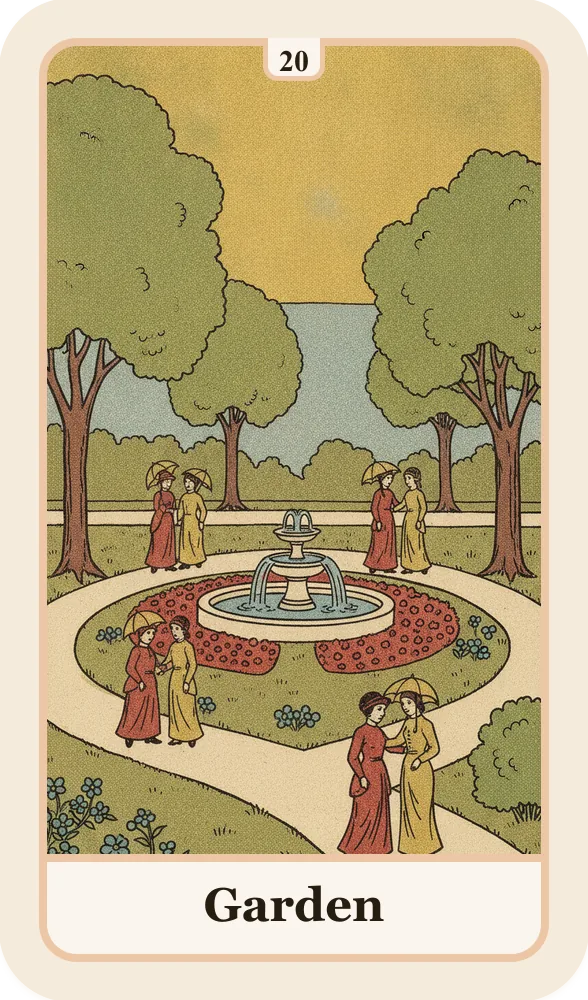
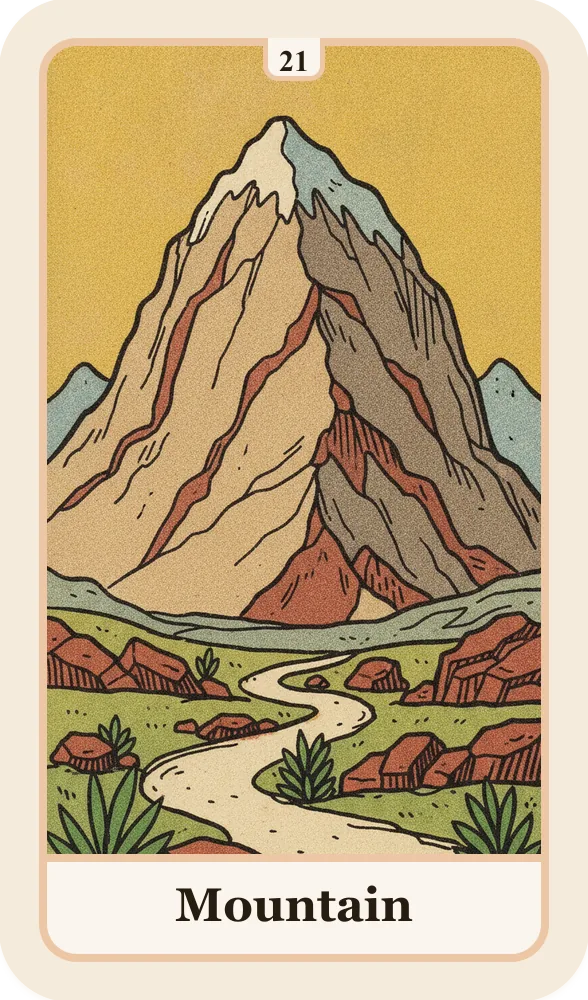
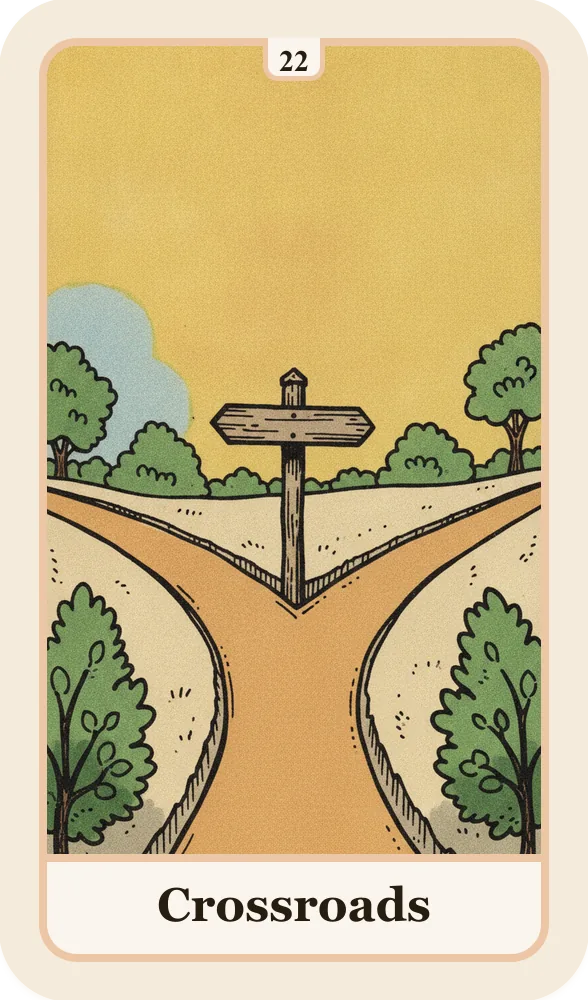
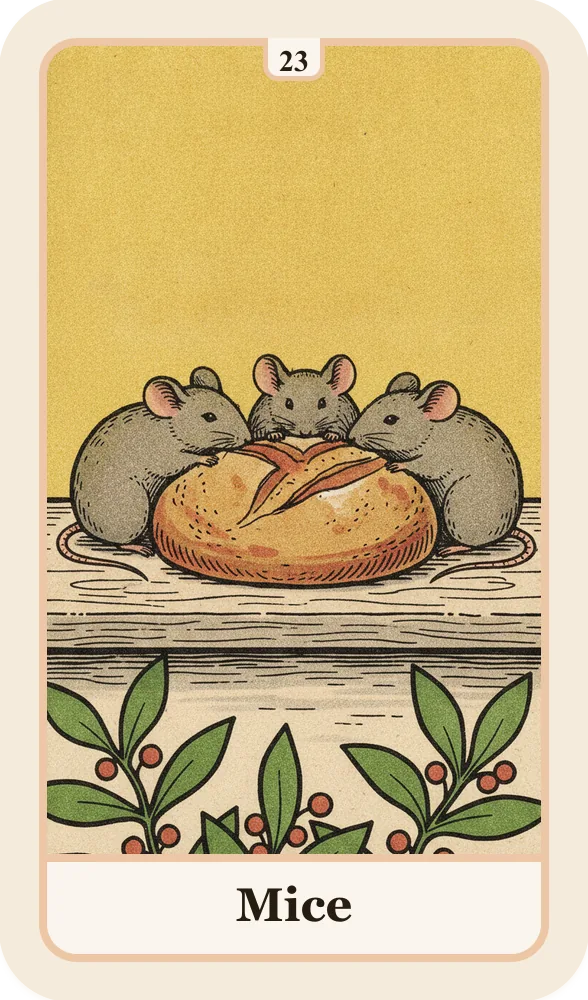
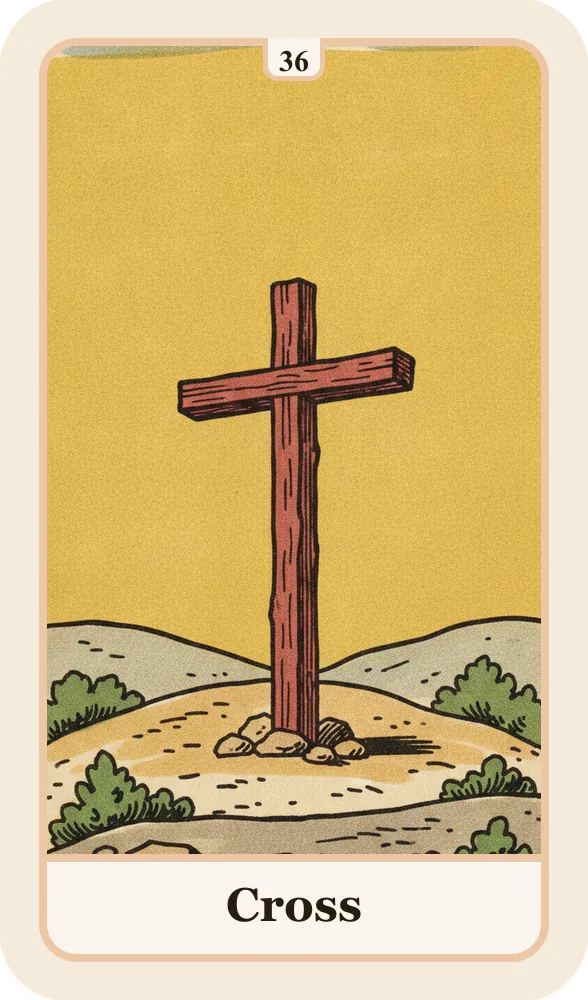
All 36 Lenormand cards
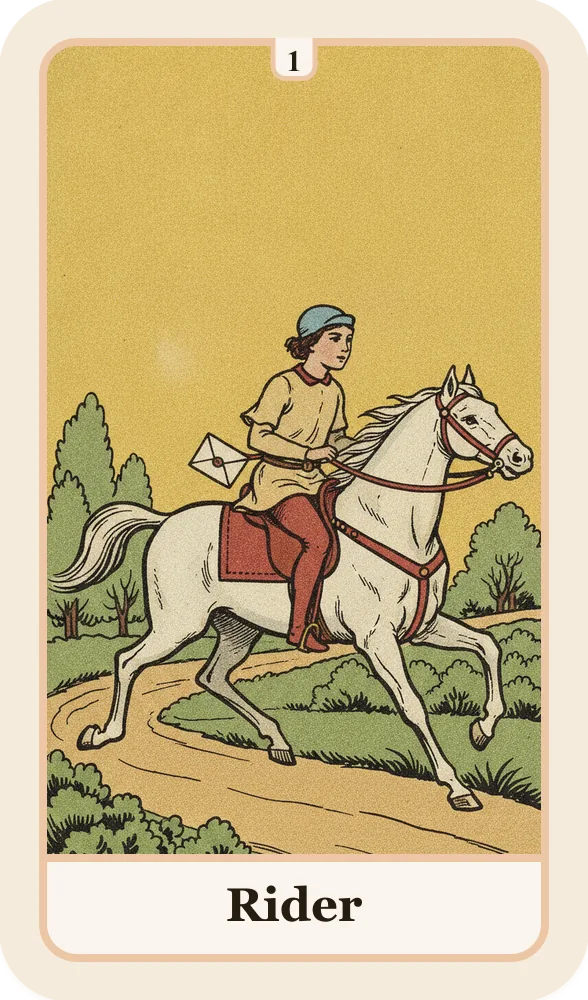
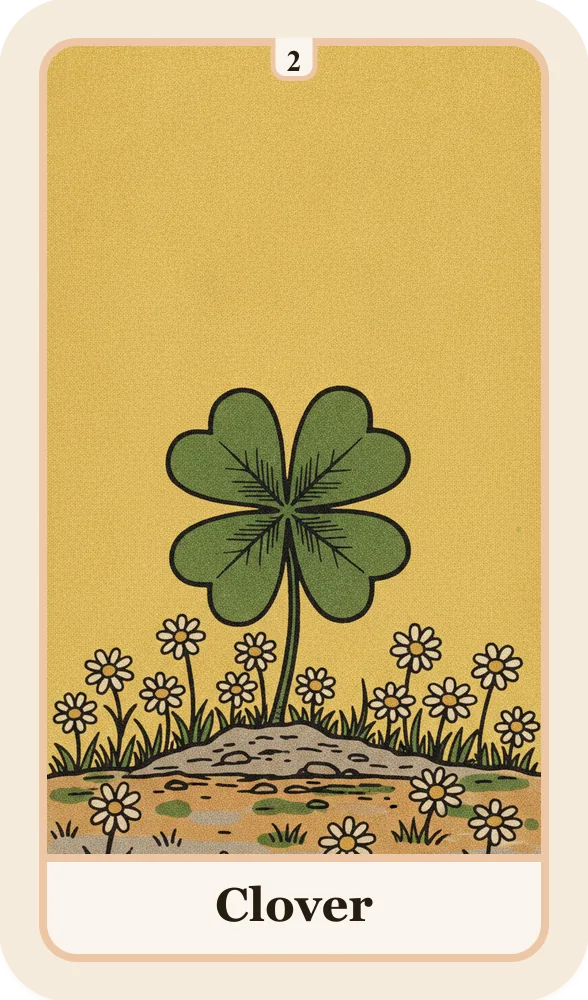
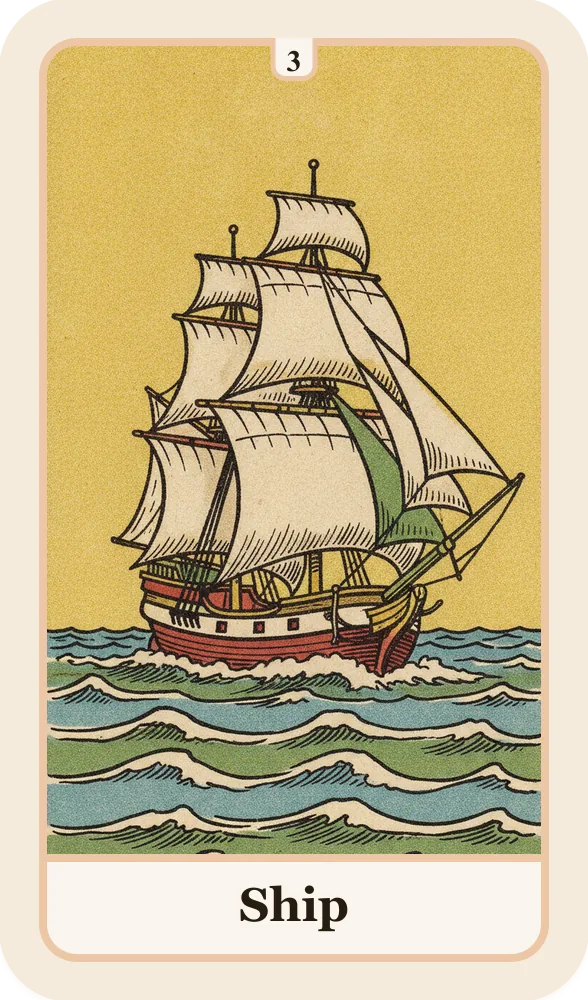
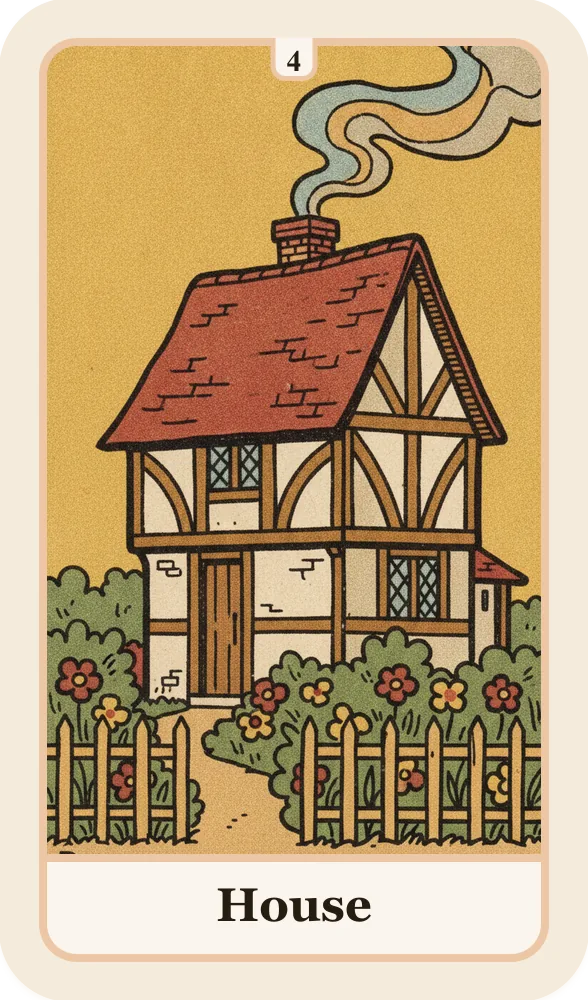
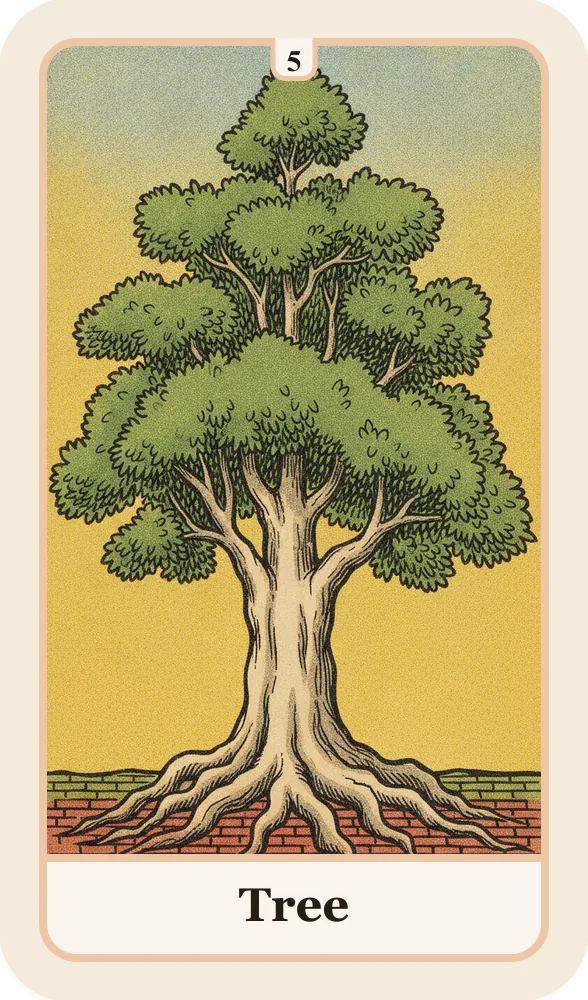
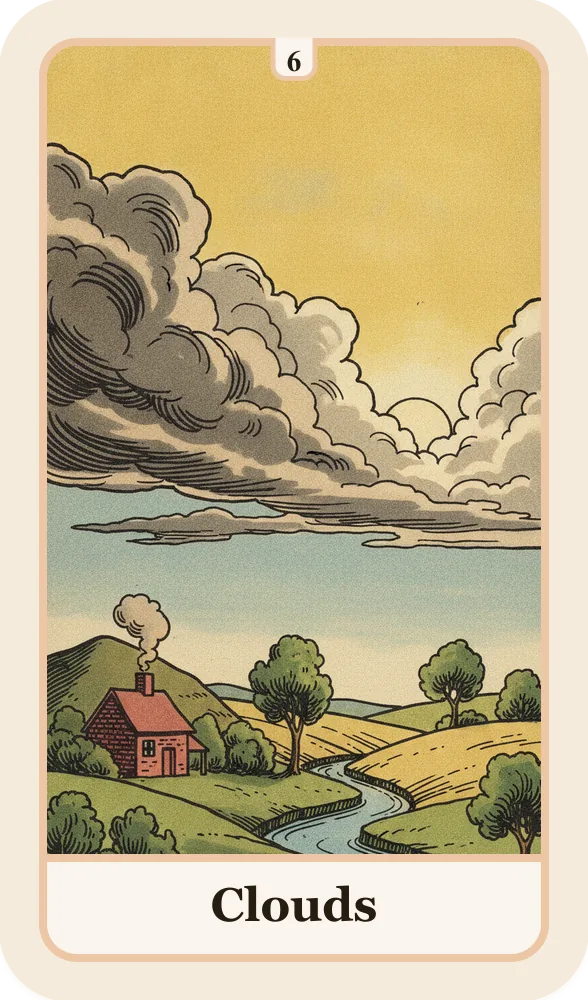
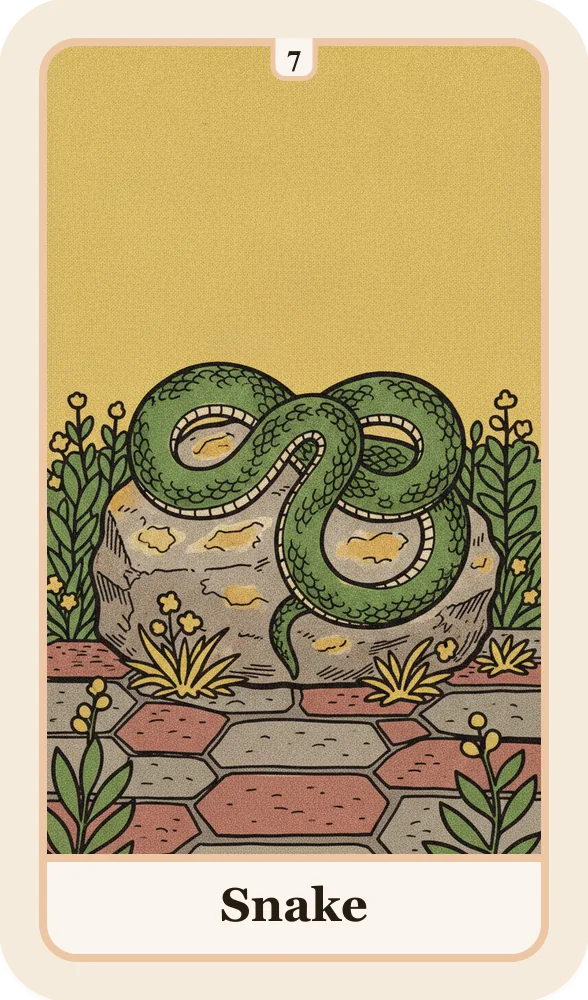
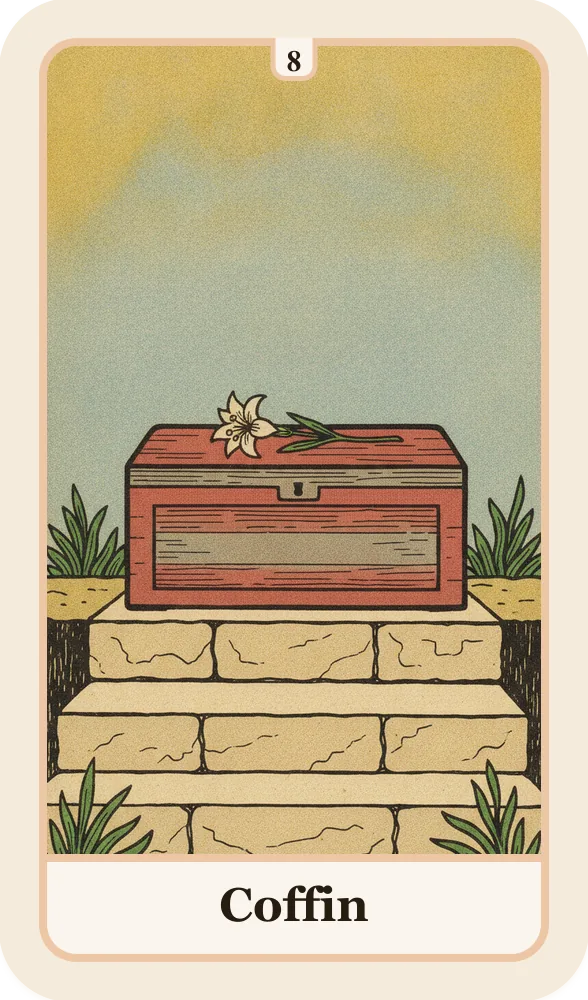
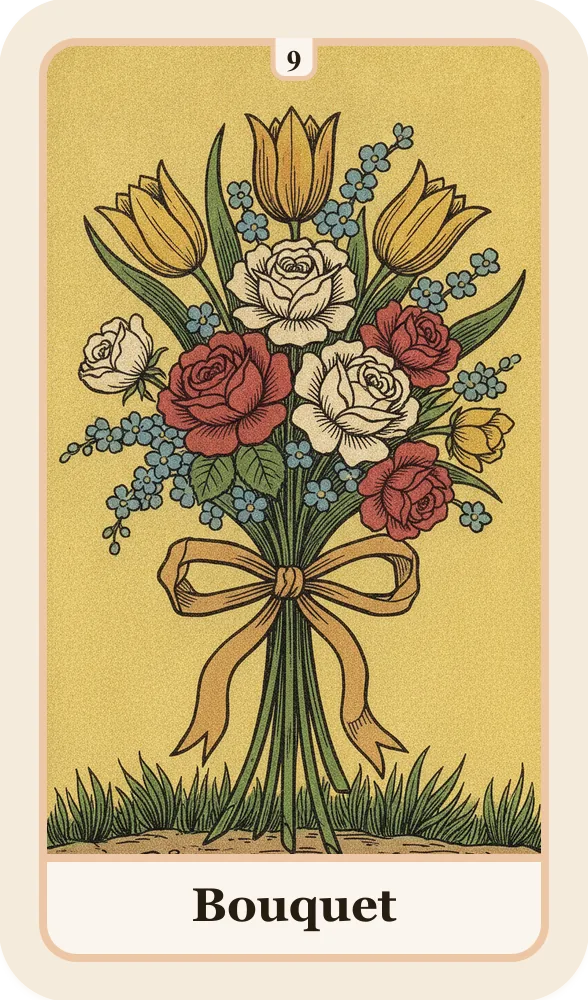
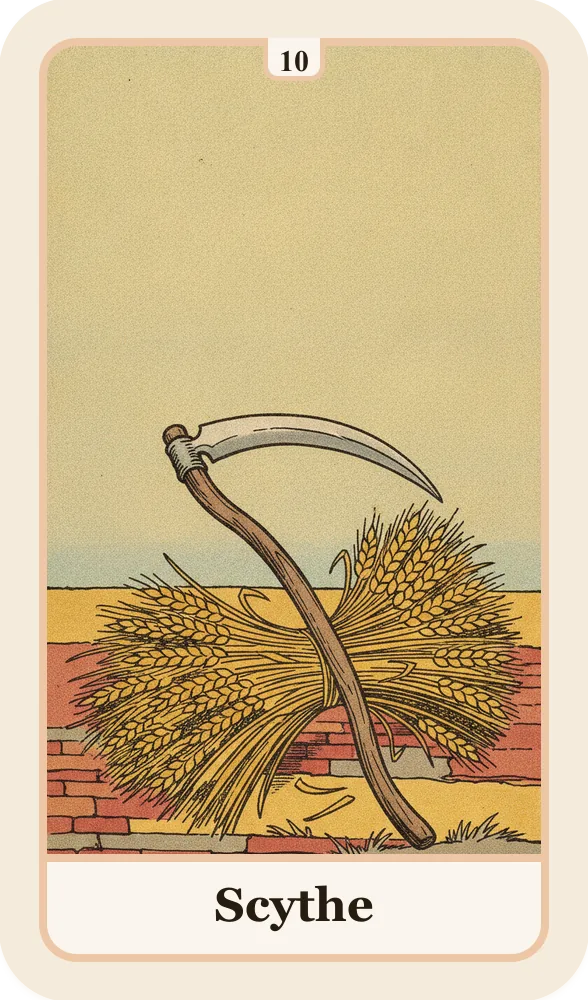
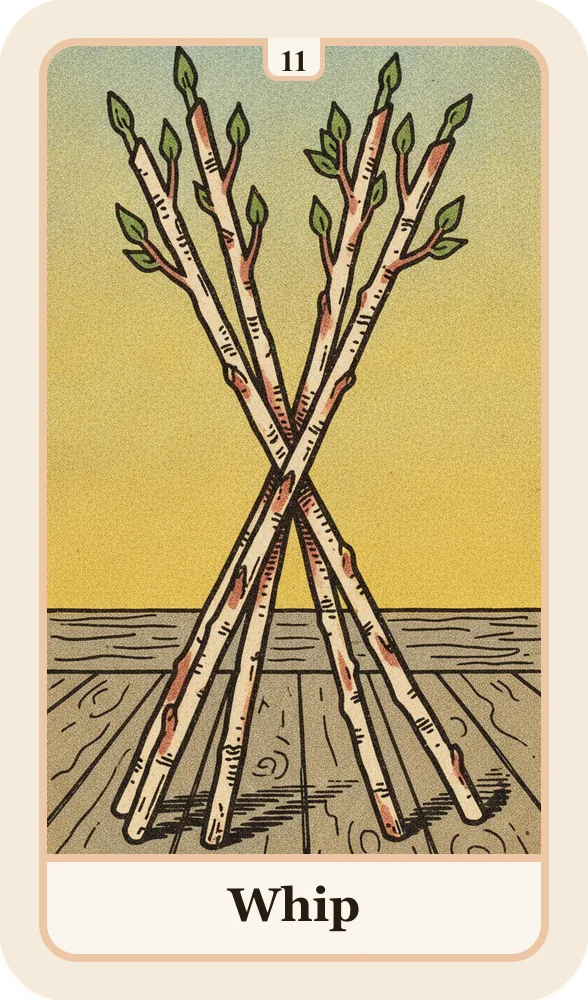
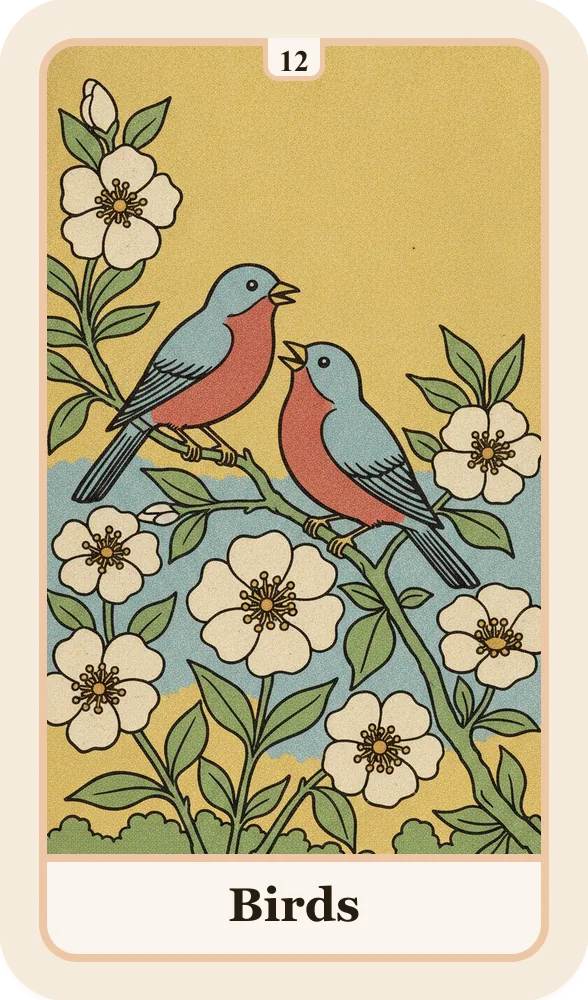
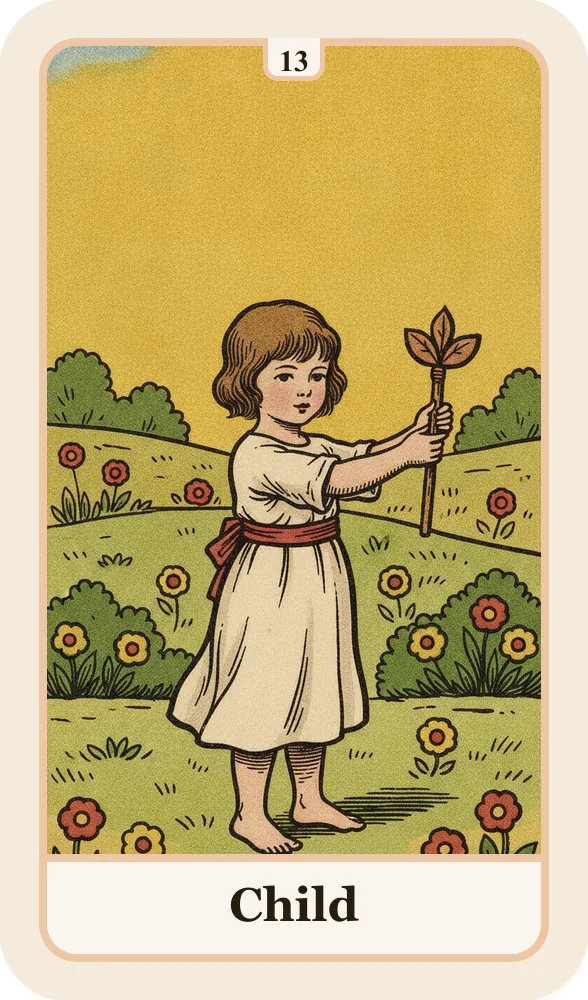
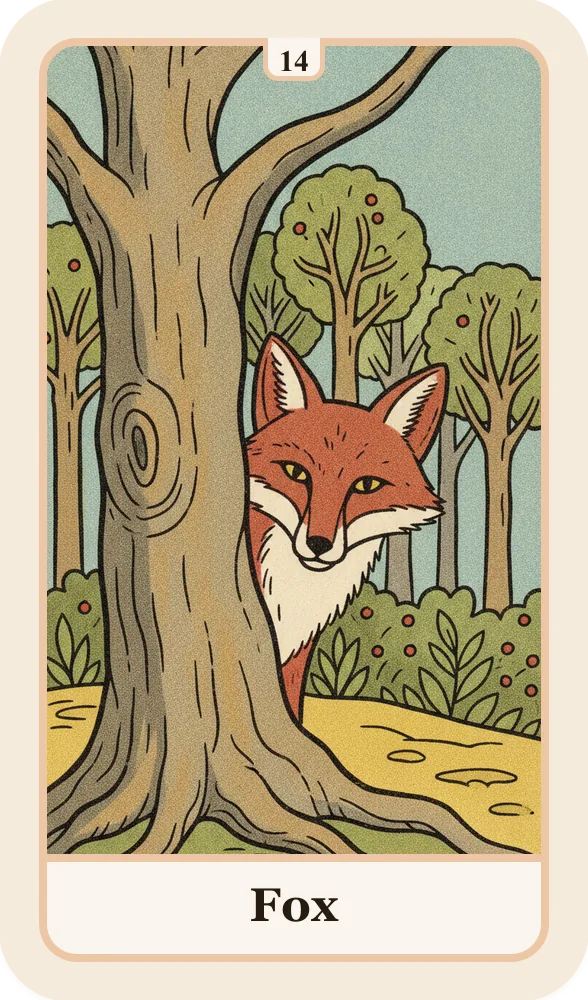
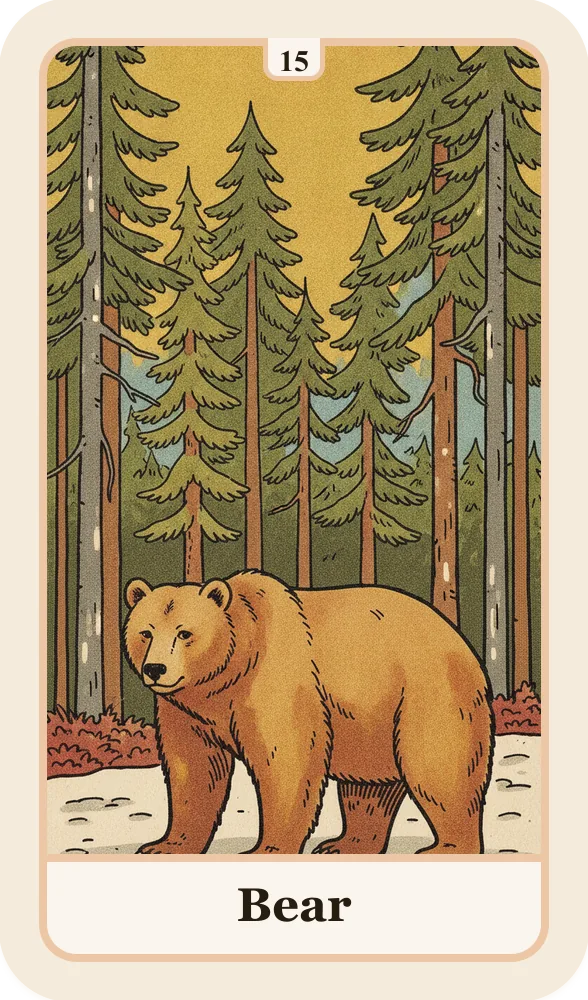
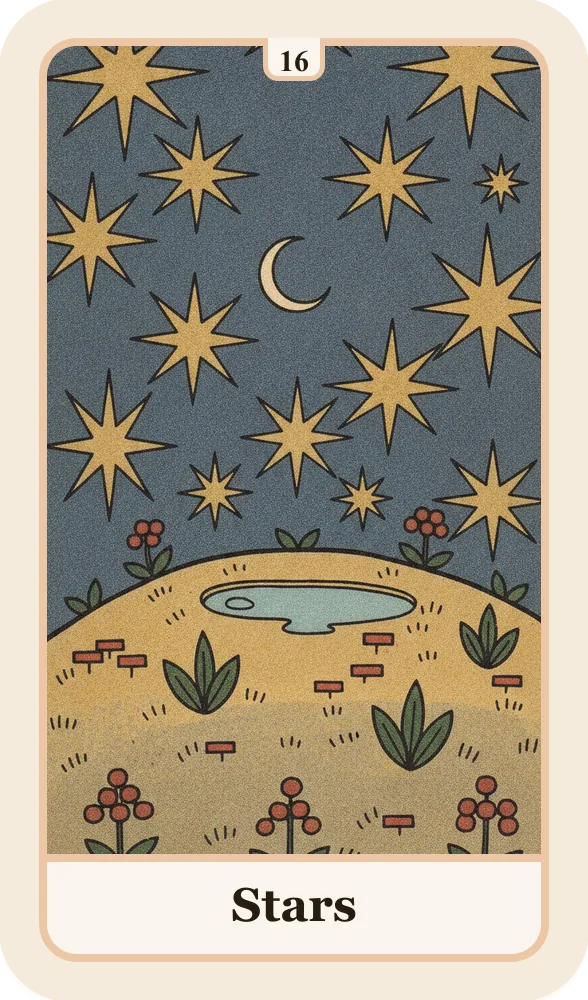
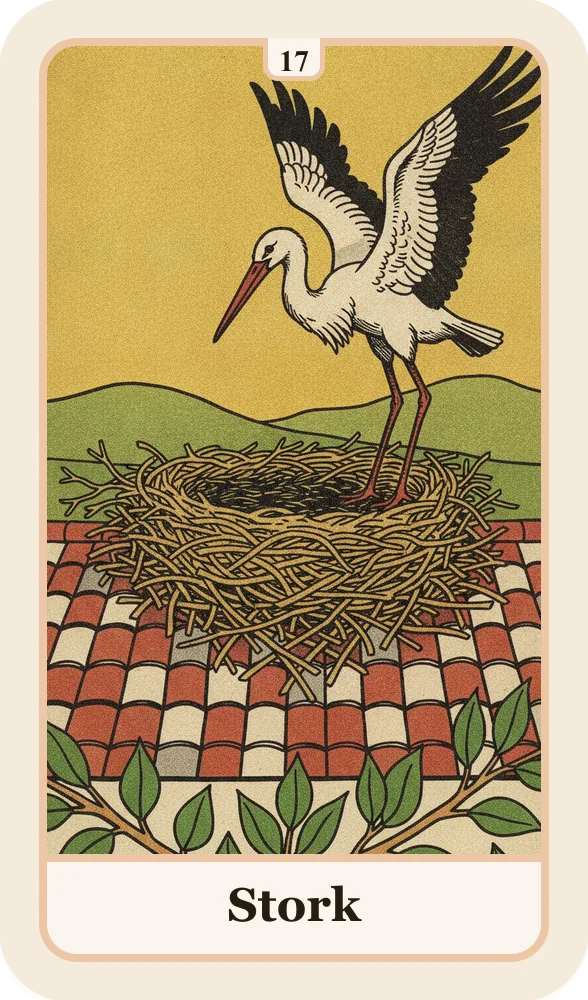
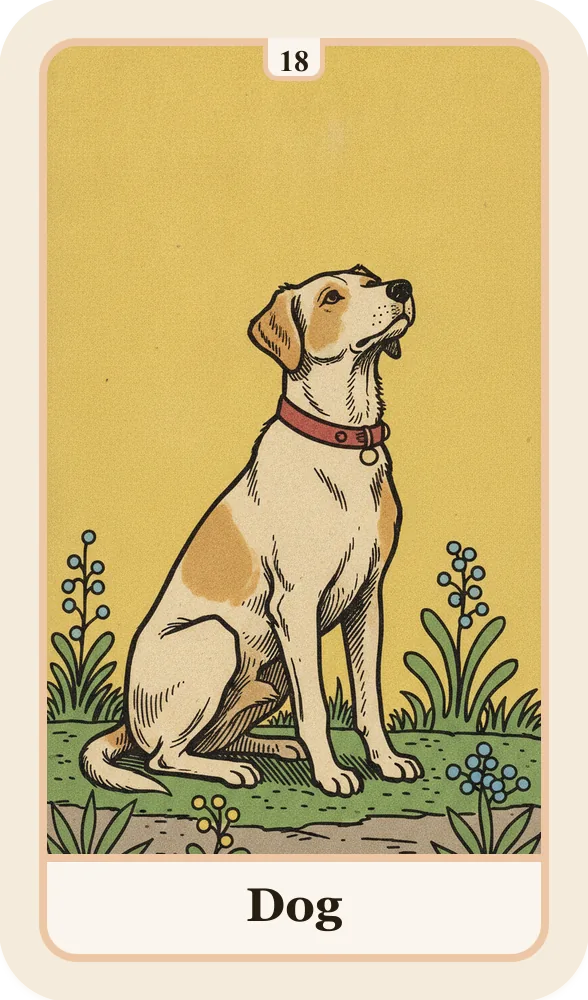
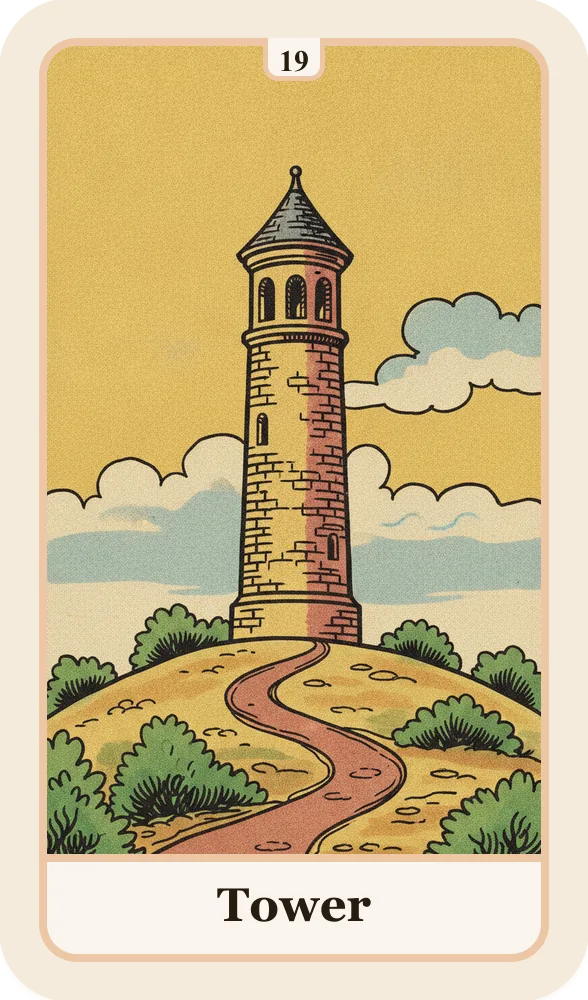
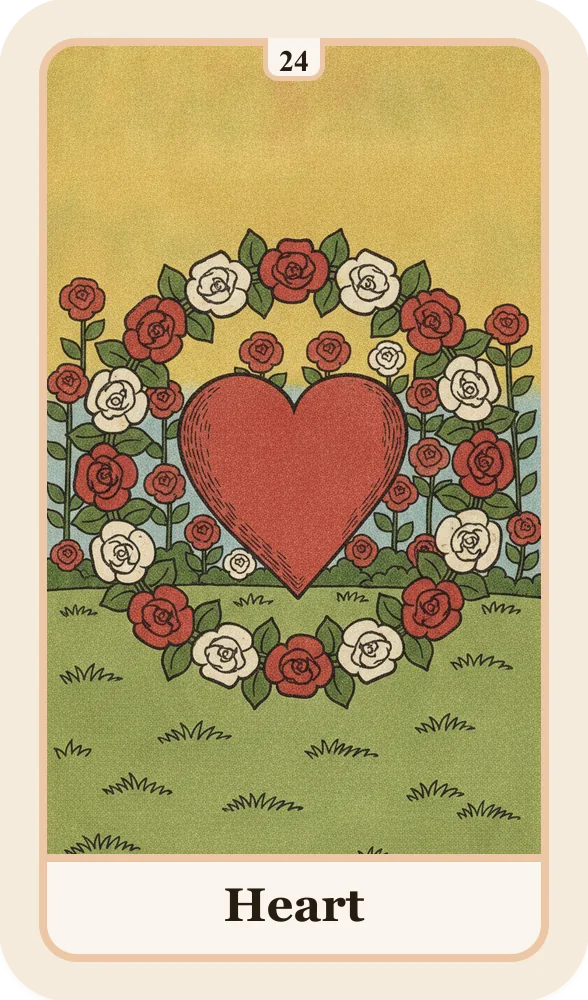
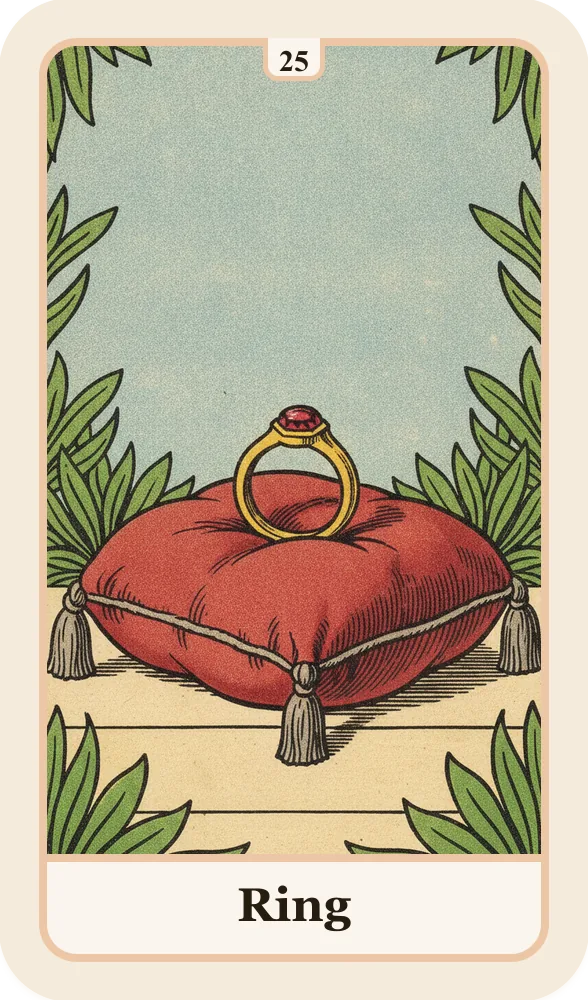
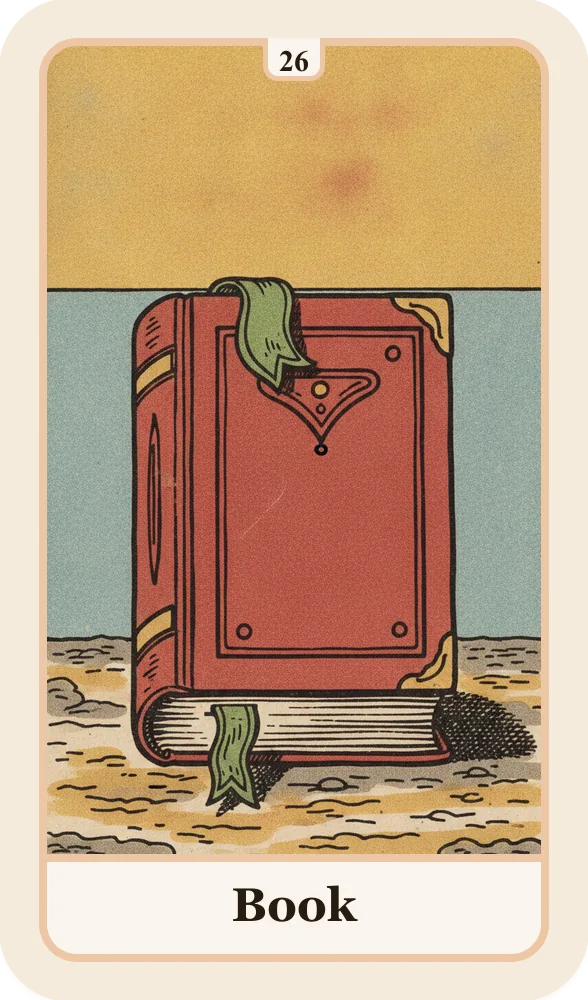
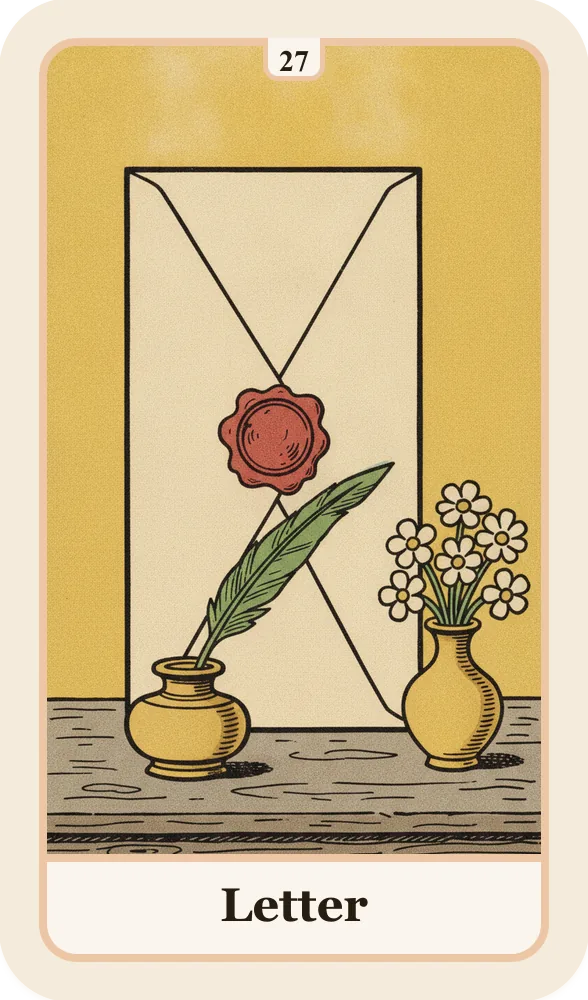
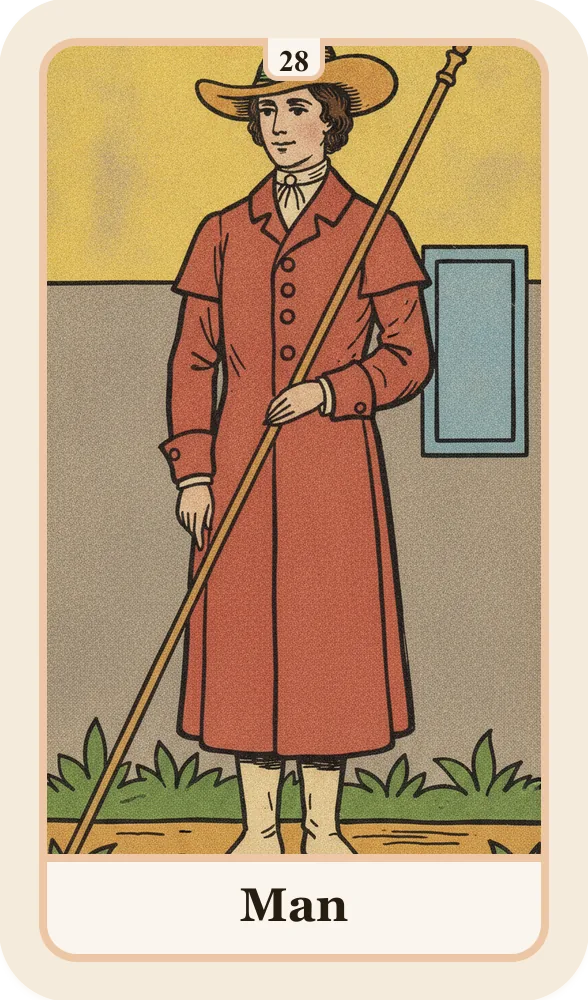
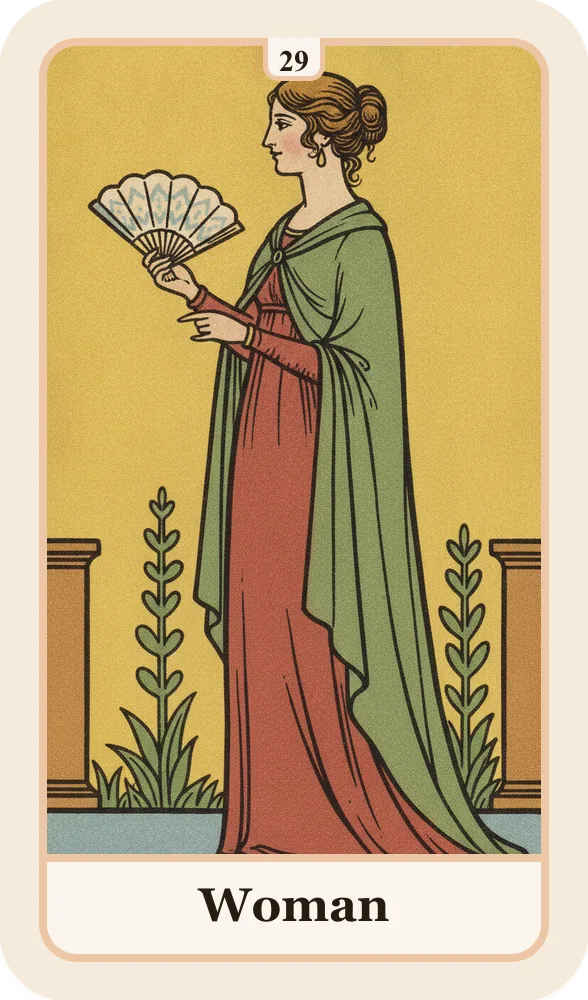
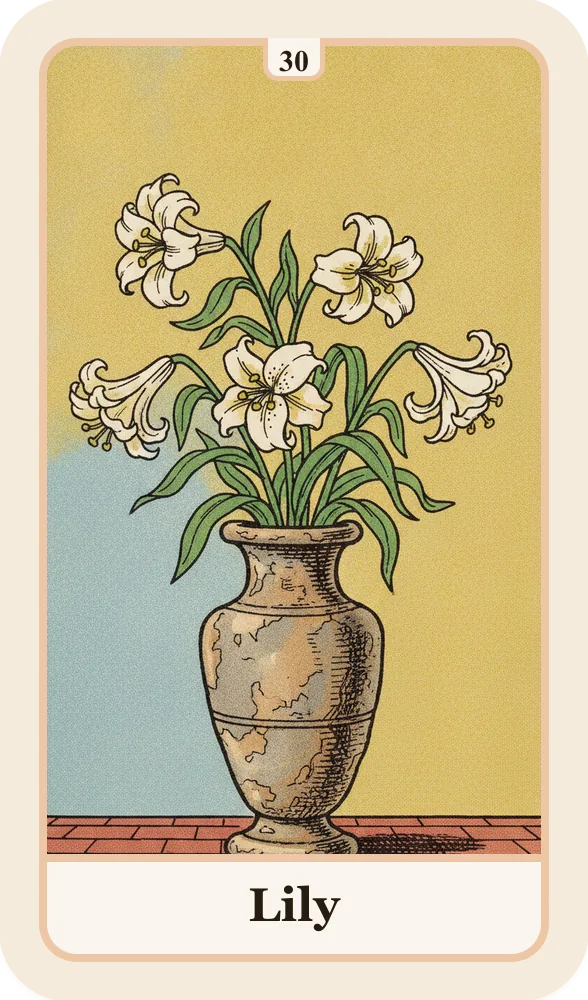
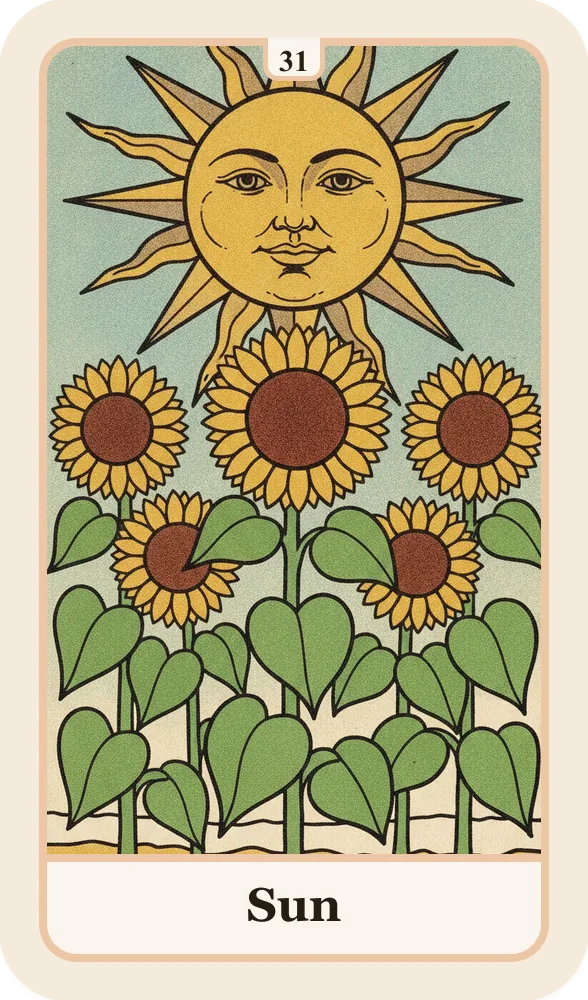
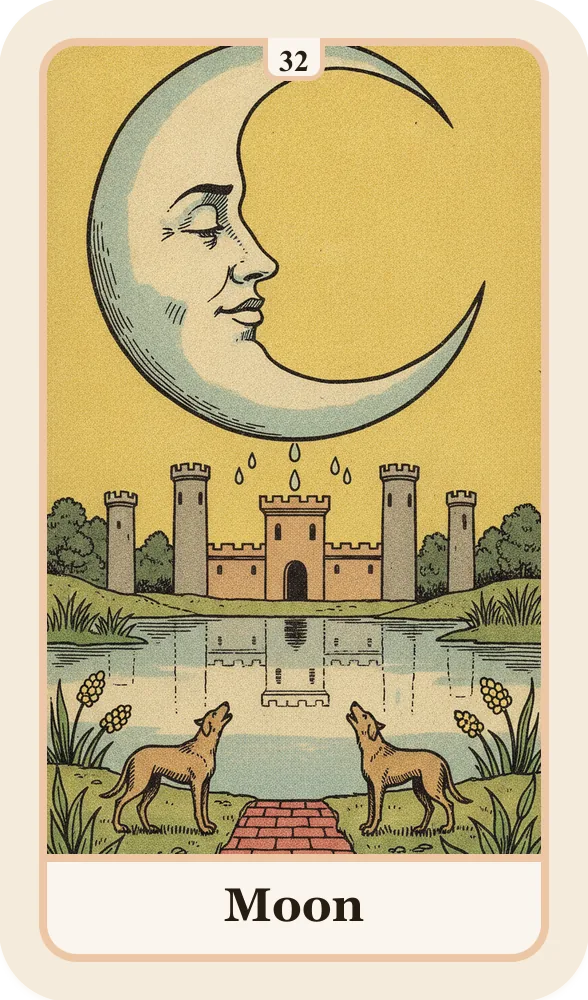
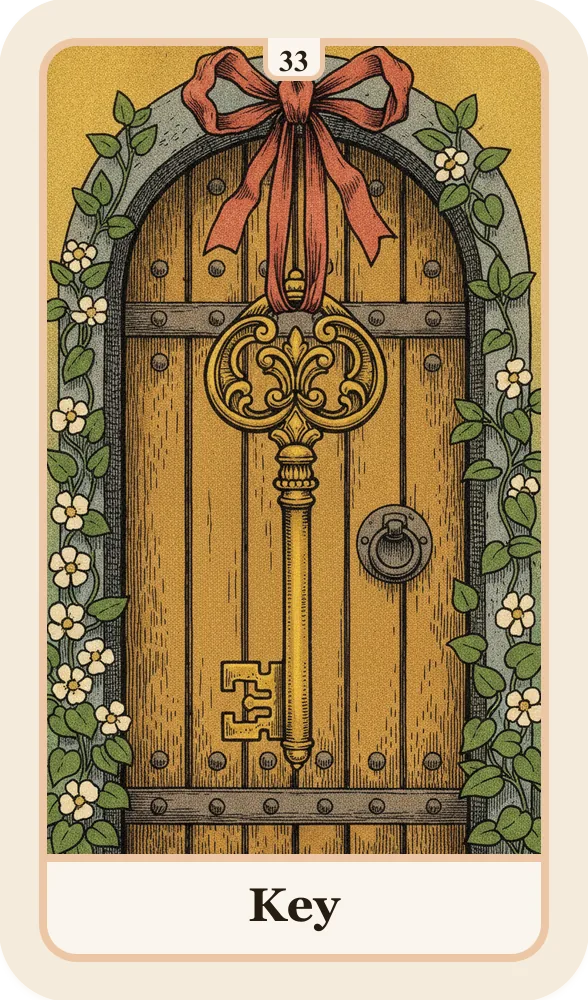
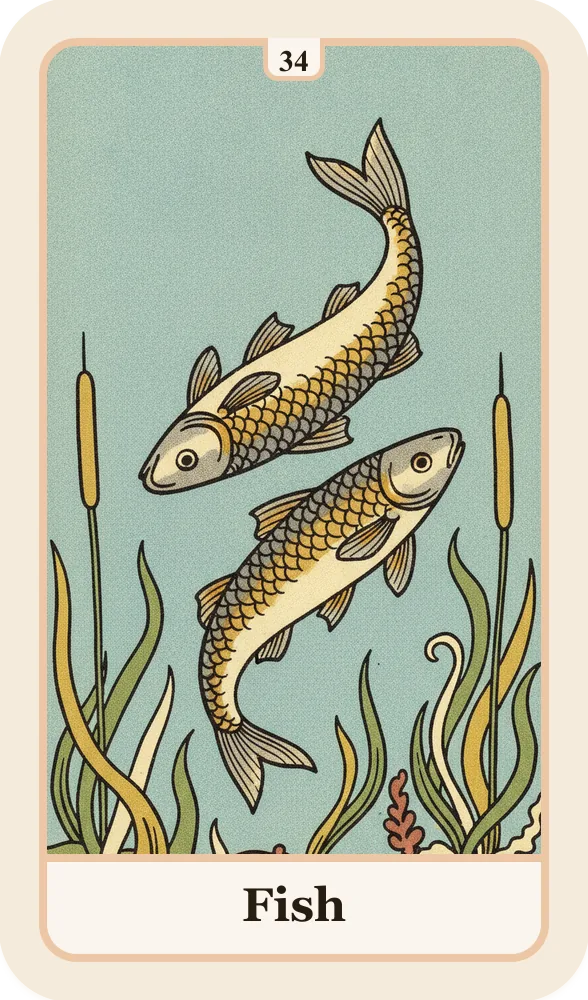
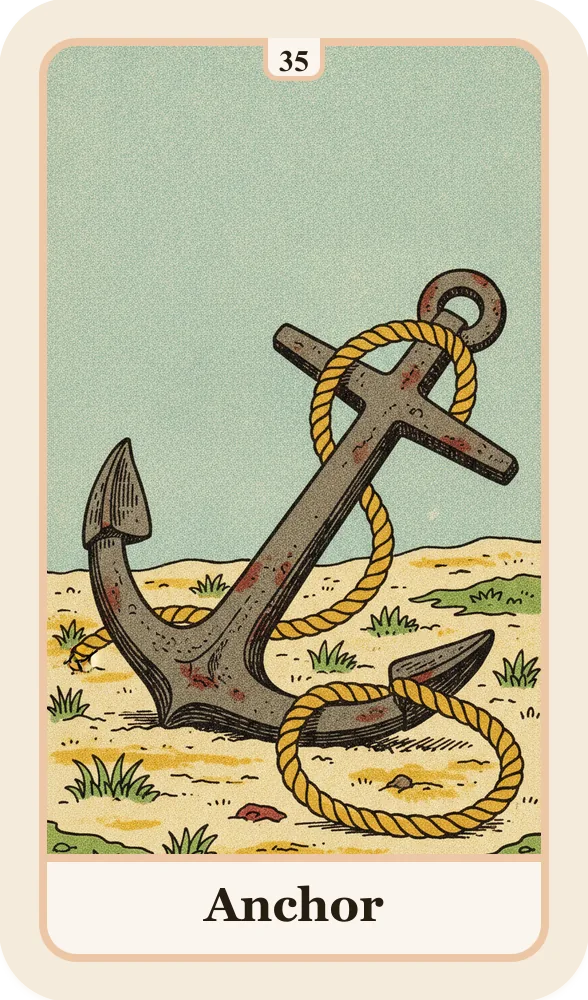
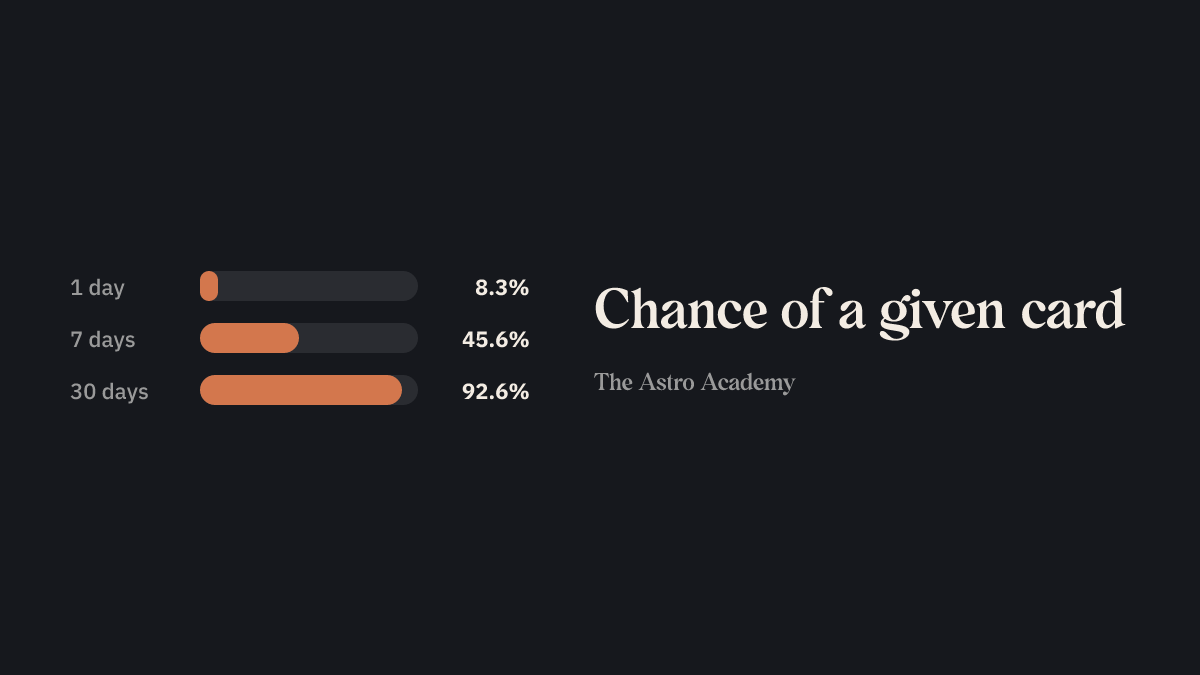
How often does a given card turn up in “Lenormand daily spread”?
With 3 cards out of 36 Lenormand cards, every single card is in your spread with 8.3 %. Lay it every day for a week and a given card shows up at least once with 45.6 %, within a month with 92.6 %.
Until you have seen each of the 36 cards at least once takes 49 days on average. The last missing cards take the longest, because fewer new ones are left each day.
| Case | Value |
|---|---|
| Cards in the deck | 36 |
| Cards in the spread | 3 |
| Chance per card and spread | 8.3 % |
| At least once in 7 days | 45.6 % |
| At least once in 30 days | 92.6 % |
| Two given cards on consecutive places | 0.32 % |
| Days until every card was laid once (mean) | 49 |
Pure probability: every card equally likely, every spread freshly shuffled, no card twice in one spread. The mean until every card was laid is computed exactly over all intermediate states.
Keep exploring
Frequently asked questions
- Is this a real Lenormand reading?
- Yes, this tool uses the classic 36-card Lenormand deck, shuffled digitally for your spread. While an online reading feels different from using physical cards, it’s a great way to explore the system and get a focus for your day.
- How do Lenormand combinations work?
- Lenormand cards are read in pairs or lines, like words in a sentence. The first card often sets the topic, and the next card describes it. For example, the House card followed by the Letter could point to news or documents about your home.
- Can Lenormand cards predict the future?
- These cards are for reflection, not for predicting a fixed future. They can highlight current trends and possible outcomes based on how things are now. The idea is to see what you recognize in the cards and use that insight to help you make your own choices.
- What is the main difference between Lenormand and Tarot?
- The main difference is how you read them. Lenormand uses 36 cards with simple images that get their meaning from combinations. Tarot has 78 cards with more complex, symbolic art, and each card can often be interpreted on its own to explore deeper psychological themes.
- How often can I do a free Lenormand reading?
- You can use this tool as often as you like. Many people find it helpful to draw three cards each morning to set a theme for the day. For bigger questions, you might use a larger spread less often, depending on what feels useful for you.